
What’s the Difference Between Single Implants and All-on-X Implants?
Last updated September 11, 2026
Single implants and All-on-X implants both restore missing teeth, but they serve different purposes and work in distinct ways. Single implants replace one tooth at a time, while All-on-X systems restore an entire arch of missing teeth using just four to six strategically placed implants.
At Haratz Dental Care in Aventura, FL, Dr. Adela Haratz and Dr. Oliver help patients throughout Sunny Isles Beach and surrounding areas understand which dental implant option best fits their needs. With over 30 years of combined experience in cosmetic and restorative dentistry, our team builds personalized treatment plans that prioritize your oral health and long-term results.
How Single Dental Implants Work
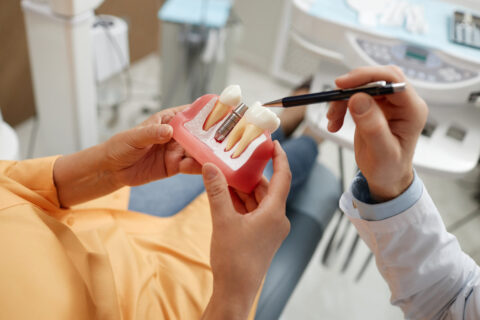
A single dental implant replaces one missing tooth from root to crown. The implant consists of a titanium post that your oral surgeon places into your jawbone, an abutment that connects the post to the restoration, and a custom crown that matches your natural teeth. This three-part system functions much like your original tooth.
Single implants work best when you have one or several missing teeth in different areas of your mouth. They do not affect your healthy teeth, unlike traditional dental bridges that require shaving down adjacent teeth. The implant fuses with your jawbone through osseointegration, which helps prevent bone loss and keeps your facial structure intact.
Understanding All-on-X Implant Systems
All-on-X implants restore an entire upper or lower arch of teeth using only four to six implants. The "X" represents the number of implants your oral surgeon places, most commonly four or six, depending on your bone density and jaw structure. The most widely used version of this approach is All-on-4, which supports a full arch of prosthetic teeth attached to a secure framework.
The back implants are angled to maximize contact with existing bone, which often eliminates the need for bone grafting. You typically receive temporary teeth the same day as your surgery, which lets you eat soft foods while your implants heal. After several months, your permanent prosthetic replaces the temporary one.
Why More Patients Are Exploring Tooth Replacement Options
Tooth loss remains common enough that many adults face a decision about replacement at some point. According to the National Institute of Dental and Craniofacial Research, tooth loss prevalence has declined over the past several decades, though it still varies by age and access to dental care, and a meaningful share of older adults eventually lose some or all of their natural teeth. That trend is part of why single implants and All-on-X systems have both become standard options rather than niche procedures, and why the right choice depends heavily on how many teeth you are replacing and the condition of your remaining teeth and bone.
Key Differences in Treatment and Maintenance
The treatment timeline differs significantly between these options. Single implants require three to six months for complete healing before we place the final crown. All-on-X procedures often provide immediate temporary teeth, though the full treatment still takes several months as the implants integrate with your bone.
Maintenance routines also vary. You clean single implants just like natural teeth with regular brushing and flossing. All-on-X prosthetics require special cleaning tools and techniques to reach underneath the framework. Both options need professional cleanings and checkups every six months, though All-on-X systems may call for more detailed maintenance visits.
Cost represents another major difference. Single implants cost less per tooth but add up when replacing multiple teeth. All-on-X systems have a higher upfront cost but often prove more economical when restoring a full arch compared to placing ten to fourteen individual implants. Many practices, including Haratz Dental Care, offer financing through CareCredit to make either option more accessible.
Which Option Suits Your Needs?
Your specific situation determines the best choice. Consider single implants if you have one to three missing teeth in different locations, healthy surrounding teeth you want to preserve, and sufficient bone density for individual implant placement. These work well for younger patients who lost teeth due to injury or for replacing failed teeth over time.
All-on-X systems make more sense when you are missing most or all teeth in one arch, face extensive decay or gum disease affecting multiple teeth, or want to avoid dentures that slip and require adhesives. This approach also benefits patients with moderate bone loss who want to skip lengthy bone grafting procedures.
Your jawbone health plays a crucial role in this decision. Single implants need adequate bone at each individual site, while All-on-X systems can often work with less bone due to angled placement. If bone loss is a concern for you, our guide on whether you will need a bone graft for dental implants explains how we evaluate that and what your options look like if grafting is recommended. During your consultation, we use advanced imaging to assess your bone structure and help you understand which approach may give you the best long-term results.
Preparing for Your Consultation
A little preparation helps you get the most out of your first visit and makes it easier for us to give you a clear recommendation. Our guide on whether you are a candidate for dental implants covers the general health and bone requirements for both options, and our list of questions to ask at your dental implants consultation can help you think through what matters most to you before you arrive.
A few things worth bringing to your appointment or asking about upfront include:
- Your full dental and medical history: Conditions such as diabetes or osteoporosis can affect healing and treatment planning.
- A list of current medications: Some medications affect bone density or blood clotting, which matters for implant placement.
- Your priorities: Cost, timeline, and how many teeth you are replacing all influence which option we recommend.
- Insurance and financing questions: Ask what your plan covers and what financing options, including CareCredit, are available to you.
Bringing this information to your first visit helps us build a treatment plan around your goals rather than starting from scratch.
Frequently Asked Questions About Single Implants and All-on-X
Can I combine single implants with an All-on-X system?
Most patients choose one approach per arch based on how many teeth they are missing, since All-on-X is designed to replace an entire arch at once. In some cases a patient may have single implants in one arch and an All-on-X system in the other, depending on the condition of each arch.
Do I need a bone graft for either option?
Single implants generally need adequate bone at each individual site, so a graft is more often necessary if that specific area has experienced bone loss. All-on-X implants are placed at angles that use existing bone more efficiently, which frequently reduces or eliminates the need for grafting.
How long do single implants and All-on-X restorations last?
Both options are designed to be long-term solutions and can last many years with proper care and regular maintenance visits. The implants themselves often last decades, while the visible prosthetic teeth or crown may eventually need adjustment or replacement due to normal wear.
Is one option less painful than the other?
Both procedures are performed under local or sedation anesthesia, and discomfort afterward is typically similar and manageable with standard aftercare. Recovery experience depends more on individual healing and the number of implants placed than on which system you choose.
What if I am missing teeth in both arches?
Patients missing most or all teeth in both the upper and lower jaw can often have All-on-X systems placed in each arch, sometimes during separate procedures. We evaluate both arches independently during your consultation since bone density and needs can differ between the upper and lower jaw.
Schedule Your Consultation at Haratz Dental Care
Choosing between single implants and All-on-X systems requires a thorough evaluation of your oral health, lifestyle, and goals. Dr. Haratz and Dr. Oliver combine decades of experience with advanced technology like iTero digital scanning to create treatment plans that restore your smile and confidence. Whether you need to replace one tooth or a full arch, our multilingual team serves patients in English, Spanish, and Hebrew.
Ready to explore your dental implant restoration options? Contact us today to schedule your consultation and take the first step toward a complete, functional smile.

Dr. Adela Haratz, DDS
Dr. Adela Haratz is the founder of Haratz Dental and has more than 40 years of experience in dentistry. She is recognized as an aesthetic and scientific authority in dental artistry and facial aesthetics, and fellow dentists regularly turn to her for continuing education.
She earned her degree from the University of Miami and opened her private practice in Aventura in 2010. A member of the American Dental Association and the American Academy of Cosmetic Dentistry, Dr. Haratz focuses on veneers, smile design, full mouth rehabilitation, and root canal therapy. She and her team care for patients in English, Spanish, and Hebrew near Aventura, FL.