
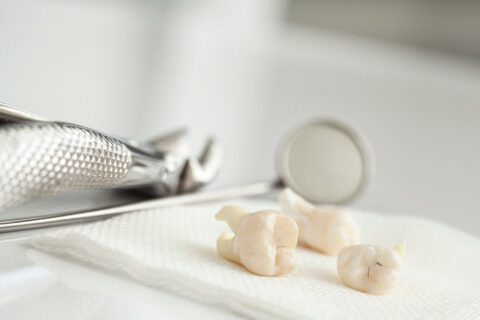
Wisdom Tooth Removal: When Is It Necessary?
The phrase "you need your wisdom teeth out" arrives for most people sometime in their late teens or early twenties, often during a routine checkup when they feel perfectly fine. That mismatch is exactly what makes the recommendation confusing. If nothing hurts and nothing looks wrong, why schedule surgery at all? On the other hand, plenty of people wait until a back molar throbs at midnight before they take the idea seriously.
The honest answer is that removal is not automatic for everyone, and timing matters more than most patients realize. Our oral surgery team at Haratz Dental Care evaluates each set of third molars individually, weighing position, symptoms, and long-term risk before recommending anything. Understanding the difference between a tooth that genuinely needs to come out and one that can be monitored helps you make a calm, informed decision rather than a rushed one.
Why Wisdom Teeth Cause Trouble in the First Place
Wisdom teeth are the last molars to develop, usually arriving between ages 17 and 25. By the time they try to come in, the jaw is often already full, which leaves these latecomers without enough room to erupt properly. When a tooth cannot fully break through the gum, it becomes impacted, sitting sideways, partially exposed, or fully trapped beneath the surface.
That crowding is more common than people expect. According to the American Association of Oral and Maxillofacial Surgeons, more than 70% of adults have at least one impacted wisdom tooth. An impacted molar tucked at the back of the mouth is difficult to clean, which is why these teeth so often become the starting point for decay, gum inflammation, and infection that a routine dental cleaning and examination eventually flags.
Signs Removal Is Necessary
Some situations make removal a clear recommendation rather than a judgment call. Dental and medical professionals generally agree that extraction is warranted when specific problems appear or when imaging shows trouble building beneath the surface.
The most common reasons we recommend taking a wisdom tooth out include the following:
- Pain or pressure: persistent aching at the back of the jaw often signals impaction or infection.
- Damage to neighboring teeth: a tilted molar can push against and erode the healthy tooth beside it.
- Cysts or pathology: fluid-filled sacs can form around a trapped tooth and harm nearby bone.
- Recurring infection: partially erupted teeth trap food and bacteria, leading to repeated gum flare-ups.
When any of these arise, delaying treatment usually makes the eventual procedure more involved, which is part of why we take early evaluation seriously. A swollen, infected molar can also escalate quickly enough to require emergency dental care, so addressing a known problem on a planned schedule is almost always the gentler path.
When Watching and Waiting Makes Sense
Not every wisdom tooth needs to go. A molar that has fully erupted, sits in a healthy position, stays cavity-free, and can be cleaned well may be perfectly fine to keep. In those cases, we recommend regular monitoring with annual exams and periodic radiographs to catch any change before it becomes a problem.
Age does factor into the conversation, though. Younger patients tend to have softer surrounding bone and roots that are not yet fully formed, which can make a planned tooth extraction more straightforward and recovery more predictable. Waiting until later in life, when roots are denser and closer to nerves, sometimes turns a simple removal into a more complex one. This is why timing, not just symptoms, shapes the recommendation.
Trust Your Smile to Haratz Dental Care
Deciding whether a wisdom tooth should stay or go comes down to careful evaluation, and that is where the right surgical team makes all the difference. Dr. Oliver brings precision and a gentle, patient-centered approach to every procedure. We pair that surgical skill with comfort-focused amenities like noise-canceling headphones, so even an extraction feels manageable rather than intimidating.
If you have been told your wisdom teeth may need attention, or you simply want clarity about whether removal is necessary, an honest evaluation is the best place to start. When you are ready to understand your options with a team that treats patients like family, we invite you to schedule your consultation and let us help you protect your long-term oral health.

Dr. Adela Haratz, DDS
Dr. Adela Haratz is the founder of Haratz Dental and has more than 40 years of experience in dentistry. She is recognized as an aesthetic and scientific authority in dental artistry and facial aesthetics, and fellow dentists regularly turn to her for continuing education.
She earned her degree from the University of Miami and opened her private practice in Aventura in 2010. A member of the American Dental Association and the American Academy of Cosmetic Dentistry, Dr. Haratz focuses on veneers, smile design, full mouth rehabilitation, and root canal therapy. She and her team care for patients in English, Spanish, and Hebrew near Aventura, FL.