
What to Expect During Dental Implant Recovery
Deciding to replace a missing tooth with an implant is the easy part. What keeps most people up the night before surgery is everything that comes after: how much it will hurt, how long until they look and feel normal again, and whether they will be able to eat dinner that evening. The uncertainty can feel bigger than the procedure itself, especially when friends and forums offer wildly different versions of what recovery is "supposed" to be like.
The reassuring truth is that implant recovery follows a predictable arc, and knowing that arc in advance removes most of the anxiety. Our team at Haratz Dental Care walks every patient through the timeline before treatment begins, because a calm, well-prepared patient tends to heal more comfortably. If you are considering dental implant surgery, understanding what each phase actually involves helps you plan your week, your meals, and your expectations with confidence.
The First Few Days After Surgery
The initial 24 to 72 hours are when your body does its earliest healing work, and a little swelling, mild bruising, and tenderness around the site are completely normal. A cold compress applied in short intervals helps keep swelling down, and the discomfort is usually manageable with the medication and instructions we provide. Most people are pleasantly surprised that the soreness is closer to a routine extraction than the ordeal they imagined.
Rest matters more than people expect during this window. Keeping your head slightly elevated, avoiding strenuous activity, and sticking to soft, cool foods all give the surgical area the calm environment it needs. If your treatment involved a bone graft for dental implants, your recovery may include a few extra days of gentle care, since the graft and implant heal together.
Settling Into the Healing Phase
Once the first week passes, the visible signs of surgery fade quickly and daily life returns to normal. Beneath the surface, though, the most important process is just getting underway. Osseointegration, the gradual fusion of the implant with your jawbone, takes place over several weeks to a few months and is what gives the implant its lasting strength.
During this stretch, your job is mostly to protect the area and stay consistent with gentle hygiene. A few habits make a meaningful difference in how smoothly this phase goes:
- Keep it clean: rinse gently as directed and brush carefully around the site to prevent infection.
- Avoid tobacco: smoking slows healing and raises the risk of implant complications.
- Eat thoughtfully: favor softer foods early on and reintroduce harder textures gradually.
- Skip the straw: strong suction can disturb the clot and irritate the healing tissue.
Protecting your gums is not a minor detail. According to the National Institute of Dental and Craniofacial Research, smoking is the single most significant risk factor for gum disease, and healthy gum tissue is essential to long-term implant success. Steady, ordinary care during this phase is what sets up a strong final result.
Completing Your New Smile
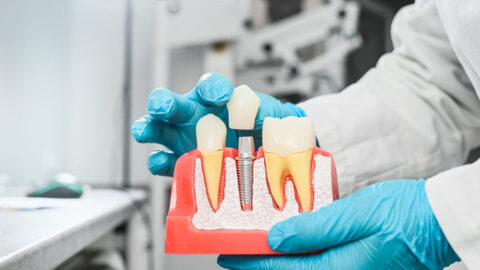
After the implant has fully integrated, the final step is attaching the piece you actually see and use. This is where the dental implant restoration comes in, whether that means a single crown, a bridge, or a full-arch solution like All-on-4. Once the restoration is placed, the implant functions much like a natural tooth, and there is no ongoing recovery to manage.
From that point forward, caring for your implant looks remarkably like caring for the rest of your smile. Regular brushing, flossing, and routine dental cleaning and examinations keep the surrounding tissue healthy and the implant secure for the long haul. With good maintenance, a well-placed implant can serve you comfortably for decades.
Begin Your Implant Journey With Haratz Dental Care
Implant recovery is far more manageable than most people fear, and the predictable, well-supported path from surgery to a finished smile is exactly why so many patients are glad they moved forward. As an Aventura practice with more than a decade of experience and a team that treats patients like family, we combine advanced technology like iTero digital scanning with comfort-focused touches such as noise-canceling headphones and Netflix in treatment rooms, so even surgical care feels relaxed rather than clinical.
Whether you are replacing one tooth or rebuilding a full arch, the first step is a conversation about whether implants are right for you and what your personal recovery might look like. When you are ready to explore your options with a team that will guide you through every phase, we invite you to schedule your consultation and take the first step toward a smile that feels completely your own.

Dr. Adela Haratz, DDS
Dr. Adela Haratz is the founder of Haratz Dental and has more than 40 years of experience in dentistry. She is recognized as an aesthetic and scientific authority in dental artistry and facial aesthetics, and fellow dentists regularly turn to her for continuing education.
She earned her degree from the University of Miami and opened her private practice in Aventura in 2010. A member of the American Dental Association and the American Academy of Cosmetic Dentistry, Dr. Haratz focuses on veneers, smile design, full mouth rehabilitation, and root canal therapy. She and her team care for patients in English, Spanish, and Hebrew near Aventura, FL.