

Bone Grafting Before Implants: Why It’s Sometimes Necessary
When a tooth is lost, the bone beneath it begins to disappear quietly, and most people have no idea it’s happening until they sit down with a dentist to discuss replacing that tooth. Without the root to stimulate and support it, the surrounding bone shrinks over time in a process called resorption. For patients hoping to replace missing teeth with dental implants, this gradual loss can become the single biggest obstacle standing between them and a restored smile. At Haratz Dental in Aventura, we help patients throughout South Florida understand their options when bone loss complicates the path to implants. Our team has nearly 42 years of dental care experience and routinely works with patients on bone graft preparation for dental implants, helping rebuild the foundation the jaw needs before implant surgery can move forward.When Is Bone Grafting Necessary?
A bone graft is not required for every implant patient, but it is a critical step when the jawbone no longer has the volume or density needed to securely hold an implant post. The most common reasons for bone loss include long-term tooth absence, gum disease, infection, trauma, and certain developmental conditions. When a tooth has been missing for months or years, the bone that once surrounded its root loses stimulation and begins to shrink, sometimes significantly. Our team evaluates each patient’s bone structure carefully during a dental implants consultation, using imaging and clinical assessment to determine whether a graft is needed before recommending a treatment path. In many cases, patients who assumed they were not candidates for implants discover that a bone graft makes the procedure entirely possible.What Happens During a Bone Graft Procedure?
Bone grafting places material in an area of the jaw where volume is insufficient, providing a scaffold for new bone growth over time. As Creighton University’s School of Dentistry explains in its overview of bone grafting for dental implants, there are two general approaches: larger grafts performed as a standalone surgery months before implant placement, and minor grafts carried out at the same time as the implant for smaller coverage needs.Graft Material Options
The grafting material can come from several sources. Bone harvested from your own body integrates most naturally with existing tissue and is generally considered the most effective option. Donor bone from a human tissue bank, processed animal bone, and fully synthetic mineral substitutes are also used regularly, each with advantages depending on the extent of bone loss and your specific anatomy. We discuss the right choice with each patient individually based on their case.Recovery and Timeline
After a significant bone graft, most patients require a healing period before dental implant surgery can proceed. During this time, the graft material integrates with the existing bone and the jaw develops the density the implant requires. Minor discomfort and swelling in the days after the procedure are normal, and our team provides thorough recovery guidance to support the process.Are You a Good Candidate for Implants?
The best way to find out whether a bone graft is part of your treatment plan is through a comprehensive evaluation. Our team assesses bone volume and structure to determine whether you qualify as a strong dental implant candidate or whether preparatory work is needed first. Patients with significant bone loss in the upper jaw may also benefit from a sinus lift surgery, a procedure that builds volume in the posterior upper jaw to support implant placement. Our oral surgery team has extensive experience with advanced preparatory procedures and can walk you through every available option based on your anatomy and goals. The types of bone grafts most commonly used in dental implant preparation include:- Autografts: Bone taken from your own body, typically the chin or jaw, which integrates most naturally with existing tissue
- Allografts: Sterilized donor bone sourced from a human tissue bank, which is widely available and clinically reliable
- Xenografts: Processed bone material derived from animal sources, most commonly bovine bone, which has a long track record in implant preparation
- Alloplasts: Fully synthetic substitutes made from mineral compounds that the body gradually replaces with its own natural bone
Schedule Your Implant Consultation at Haratz Dental Now
If you have been told that you are not a candidate for dental implants because of insufficient bone, we encourage you to schedule a consultation before accepting that answer. Modern bone grafting techniques have made implants possible for many patients who would not have qualified just a few years ago, and a thorough evaluation is the only way to know for certain what your options are. Haratz Dental has served patients in Aventura and throughout South Florida for nearly 42 years, providing comprehensive care that meets each patient where they are and builds a path forward. Contact us today to schedule your consultation and learn more about whether bone grafting and dental implants are the right next step for your smile.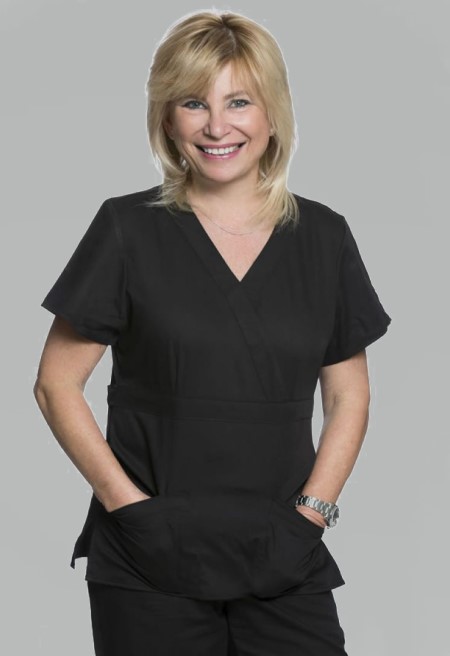
Written & Reviewed By
Dr. Adela Haratz, DDS
Dr. Adela Haratz is the founder of Haratz Dental and has more than 40 years of experience in dentistry. She is recognized as an aesthetic and scientific authority in dental artistry and facial aesthetics, and fellow dentists regularly turn to her for continuing education.
She earned her degree from the University of Miami and opened her private practice in Aventura in 2010. A member of the American Dental Association and the American Academy of Cosmetic Dentistry, Dr. Haratz focuses on veneers, smile design, full mouth rehabilitation, and root canal therapy. She and her team care for patients in English, Spanish, and Hebrew near Aventura, FL.