
How iTero Digital Scanning Is Changing Dental Care
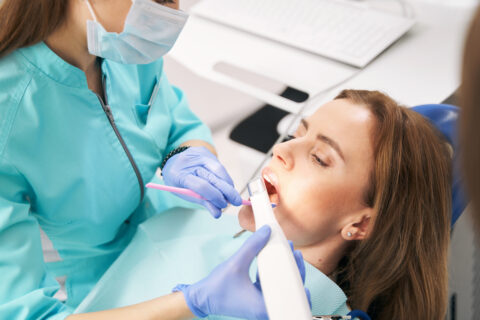
Sitting through a dental impression used to mean biting into a tray of thick, gag-inducing putty and holding still while it set. For patients with a strong gag reflex, that step alone was often reason enough to put off treatment altogether, sometimes for years. At Haratz Dental Care, that experience has been replaced with a handheld wand and a screen. Dr. Adela Haratz uses iTero digital scanning to capture a precise three-dimensional model of a patient’s teeth and bite in a few minutes, with no trays and no mess.What Happens During A Digital Scan
A dental visit built around diagnosis starts with getting an accurate picture of what is actually going on in your mouth. Dr. Haratz has described her approach as one where she diagnoses first with a combination of tools, including X-rays, panoramic X-rays, CT scans, and digital scanning, rather than relying on any single method. The iTero wand is guided gently around the outside and inside surfaces of your teeth. As it moves, it builds a full-color model on the monitor next to you, so you can watch your own bite take shape in real time. There is no tray to hold in place and no waiting for material to set, which makes the appointment faster and considerably more comfortable for patients who have avoided the dentist because of past impression experiences.Why This Matters For Treatment Planning
Once the scan is complete, the digital model can be reviewed on screen with you before any decisions are made. Dr. Haratz has emphasized that showing patients what she sees, rather than only describing it, helps them understand a diagnosis instead of simply being told what to do. The same philosophy carries into her use of intraoral cameras, which let you see the exact area she is examining rather than trying to interpret an X-ray on your own. This visual approach becomes especially useful for procedures like Invisalign, where a precise digital model of your teeth is the starting point for the entire treatment plan. A scan that captures fine detail accurately supports better-fitting aligners from the first stage of treatment through the last.Comfort Without Sacrificing Accuracy
Patients often assume that trading a physical impression for a digital one means giving something up in terms of precision. Research summarized in a peer-reviewed review published through the National Institutes of Health found that intraoral scanning is generally rated more comfortable by patients than conventional impressions, while continuing to produce reliable results for restorative and orthodontic planning. That combination is part of why digital scanning has become a standard step for several types of visits at our practice, rather than an occasional upgrade. A few of the situations where a digital scan tends to make the biggest difference include the following.- Invisalign planning: A detailed starting model supports more predictable aligner fit across a full treatment sequence.
- Crown and bridge work: An accurate digital impression reduces the chances of a restoration needing adjustment after it is placed.
- Patients with a strong gag reflex: Removing the physical tray addresses one of the most common reasons people delay needed care.
- Ongoing monitoring: Scans taken over time can be compared to track changes in your bite or wear patterns.
How It Fits Into A Broader Diagnostic Approach
Digital scanning is one part of a larger diagnostic process at our practice rather than a stand-alone technology. Dr. Haratz has described treating each patient individually, taking the time to explain findings rather than moving quickly from one appointment to the next. A digital scan supports that approach by giving both of you a shared reference point to discuss, whether the conversation is about a crown, a root canal, or a longer-term restorative plan. For patients considering implant restoration, a precise digital model also plays a role in how the final restoration is designed to fit alongside your remaining teeth. The same scan data that shapes an Invisalign plan can inform how a crown or bridge is fabricated, which keeps the process consistent across different types of treatment.Experience Haratz Dental Care
Dr. Adela Haratz brings more than 30 years of cosmetic dentistry experience to every appointment at our Aventura practice, along with Invisalign certification and membership in the American Association of Cosmetic Dentistry. Combining that experience with iTero digital scanning, intraoral cameras, and a diagnostic process built around showing patients what she sees gives you a clearer picture of your own care from the very first visit. Whether you are curious about Invisalign, need a crown or bridge, or simply want a more comfortable alternative to traditional impressions, our team is ready to walk you through what a digital scan can offer. Reach out through our contact page to schedule a visit and see the difference modern scanning technology can make.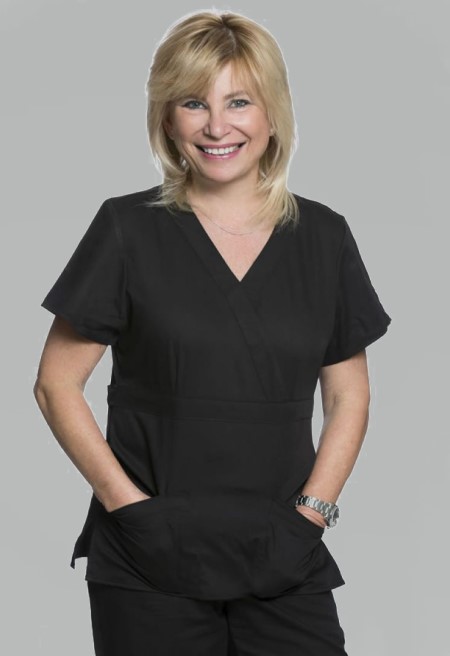
Written & Reviewed By
Dr. Adela Haratz, DDS
Dr. Adela Haratz is the founder of Haratz Dental and has more than 40 years of experience in dentistry. She is recognized as an aesthetic and scientific authority in dental artistry and facial aesthetics, and fellow dentists regularly turn to her for continuing education.
She earned her degree from the University of Miami and opened her private practice in Aventura in 2010. A member of the American Dental Association and the American Academy of Cosmetic Dentistry, Dr. Haratz focuses on veneers, smile design, full mouth rehabilitation, and root canal therapy. She and her team care for patients in English, Spanish, and Hebrew near Aventura, FL.