
We Speak Spanish, Russian and Hebrew In Our Office – ¡Hablamos Español! – אנחנו מדברים עברית

Sinus Lift Surgery in Bay Harbor Islands, FL

Upper back teeth are the hardest place to fit an implant when the bone above them has gone thin. Dr. Francisco Oliver, the periodontist on our team, handles the bone-building step that solves this for people living in Bay Harbor Islands. Surgical visits happen on select Fridays at our Aventura office, a short way north of the island.

Plenty of implant plans stall at the same spot. The first scan of the upper jaw shows less bone than the plan assumed, because the sinus sits low and leaves little room for a post. Nothing about your plan was wrong; the ground it needs simply has to be built first. That preparation is a sinus lift, and it is routinely done ahead of dental implant surgery in the back of the upper jaw.

We see island residents from Bay Harbor Islands who were told they need more bone before an implant. Dr. Oliver works alongside Dr. Haratz and Dr. Maya, so the person who builds the bone and the people who later restore the tooth plan the case together from the start. Ring the office at (786) 433-5232 to share your imaging and book a visit. A phone call is enough to start, and nobody expects you to commit to surgery before you have heard the whole plan.

Orthodontic concept. Happy girl showing her beaming white teeth with two forefingers, grey background

How a Sinus Lift
Rebuilds Bone

Dentists call it maxillary sinus floor augmentation. The sinuses are hollow spaces behind your cheeks, resting just over the roots of the upper molars and premolars. After a tooth in that area is lost, the jawbone under it tends to shrink, and the sinus can drift lower, leaving a thin shelf of bone where an implant would have to anchor. That thin shelf is the reason a standard-length implant cannot simply be dropped in.

During surgery the periodontist gently raises the lining of the sinus and tucks grafting material into the gap beneath it. Over the next several months your body knits that material into living bone, giving the implant a thicker base. The literature describes studies of sinus augmentation as predictable and well documented, and implants placed afterward are reported to do well over time.
Meet Our Doctors

Our philosophy is simple: treat every patient with care, knowledge, and love. We’re here to build a long-term relationship with you and your family.
Trust
Knowledge
Long-Term Care
Family Feel
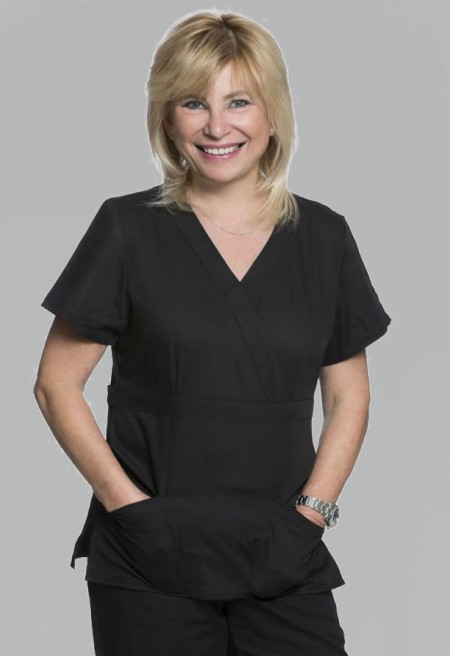
Dr. Haratz Dental professional headshot — woman in black scrubs against gray background

Dr. Adela Haratz

Over 40 years creating beautiful smiles. A pioneering aesthetic and scientific authority in dental artistry.
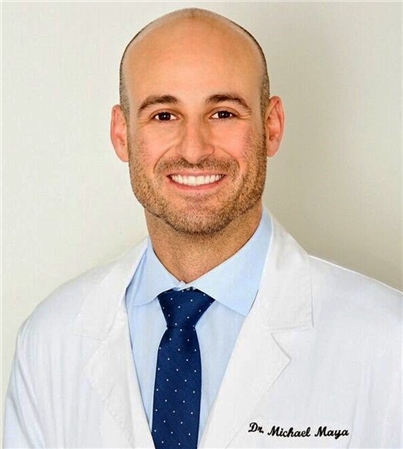
Dr. Michael Maya, Haratz Dental dentist, professional headshot

Dr. Michael Maya

A North Miami Beach native dedicated to providing excellent dental care to his community.
Dr. Francisco Oliver at Haratz Dental in Aventura, FL

Dr. Francisco Oliver

Periodontist providing dental implant, bone grafting, and gum care at Haratz Dental. Available for surgical patients on select Fridays.
We speak your language: English, Spanish & Hebrew

When a Sinus Lift
Comes Into the Plan

Several different situations lead to a thin upper jaw, and the cause shapes how Dr. Oliver plans your surgery and how long he expects healing to take. Here are the usual ones. Knowing the reason also keeps the plan honest about how much work lies ahead.

01

Bone Shrinks After Tooth Loss

Bone needs a tooth root to keep it busy. Once an upper back tooth comes out, the ridge slowly loses height and width. Waiting a long time to replace the tooth usually means more grafting later, so an early implant conversation tends to keep the surgery smaller.

04

Infection or Injury Damage

Cysts, deep infections and blows to the face can eat away bone in the upper jaw. Gum disease that cost you teeth often took some surrounding bone with it too. A scan before implant planning shows how much has to be replaced. Treating that damage first keeps the later implant on firmer ground.

02

A Sinus That Has Dropped

The sinus is an air pocket, and after tooth loss it can grow downward into space the root used to occupy, a change called pneumatization. That leaves very little height separating the sinus floor from the top of the ridge, and the implant has nowhere to go. Lifting the membrane and adding graft pushes the floor back up.

05

A Firm Base for the Implant

An implant stays put because bone grows tightly against the titanium post, which is called osseointegration. Too little bone leaves the post wobbly or prone to failing. Building height with a sinus lift gives that bond enough material to hold. A solid base matters most in the upper back jaw, where bone is naturally softer and the sinus sits close above.

03

Thin Bone From the Start

Not every shortage comes from losing a tooth. Some people simply have a shallow upper jaw in the back, which can run in families or reflect how the jaw developed. For them a sinus lift adds bone that was never there to begin with. Your scan will show whether this describes you.

TechniqueSuited ToUsual Wait Before the Implant
Lateral Window Sinus LiftA larger shortage of bone that calls for more graft materialTypically several months of healing after the graft
Crestal (Vertical) Sinus LiftA smaller shortage, where an implant can sometimes go in at the same visitShorter wait, or none when the bone allows
Two-Stage ProcedureHarder cases in which the graft has to mature fully before the implant carries a loadThe longest path, with its exact length set during your evaluation

After going over your 3D imaging, Dr. Oliver will tell you which technique fits your jaw.

Is a Sinus Lift
Right for You?

The usual candidate wants an implant toward the back of the upper jaw but has too little height beneath the sinus to seat one of normal length. Dr. Oliver uses 3D imaging to measure that height and study the sinus before settling on a surgical plan, so the decision rests on your own anatomy and not a guess.

Some conditions come first. A current sinus infection, poorly controlled diabetes or other health issues that slow healing need to be sorted out before surgery. Smoking raises the odds that a graft will not take, and you may be asked to quit around the procedure. At your evaluation Dr. Oliver goes over your scans and health history, then chooses the technique, the graft material and a healing schedule leading toward placing your implants.

“A truly successful cosmetic treatment does more than look good in photos.”

The Surgical Process

How the Surgery
Unfolds, Step by Step

Step 01

Imaging and Planning

Dr. Oliver studies your 3D scan to measure the bone you have, look at the shape of the sinus and choose the technique that suits your anatomy.

Step 02

Comfort and Preparation

The area is numbed with local anesthetic. If you would rather be more relaxed, sedation options can be discussed ahead of time.

Step 03

Lifting and Grafting

A small opening gives access to the lining of the sinus. That lining is carefully raised, and graft material fills the room created beneath it.

Step 04

Closing and Healing

The site is stitched closed. Over the following months the graft becomes part of your own jawbone, and your implant is scheduled once that has happened.

The Weeks
After Surgery

Most people manage the early days well when they follow the written instructions. Expect some puffiness and soreness for the first two or three days. The biggest rule is to keep pressure out of your sinuses: no nose blowing, and sneeze with your mouth open. Pressure can shift the graft before it settles. Skip hard rinsing and spitting on the first day too.

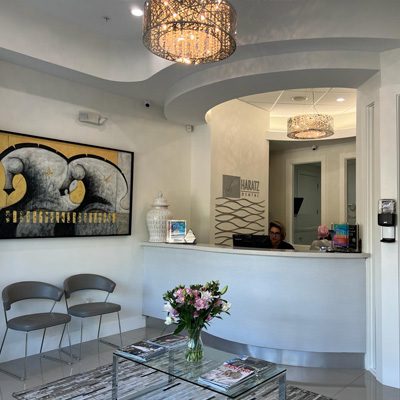
Haratz Dental reception area with front desk, waiting chairs, and modern décor

Eat soft foods for about the first couple of weeks and add firmer ones back slowly. Your periodontist will usually prescribe an antibiotic and a medicated rinse, and you should keep activity light for a few days. Tobacco slows graft healing, so stay away from it while you recover. The implant itself generally goes in after several months, once the graft has matured into solid bone, and that is the next stage of dental implant surgery at our office.

"Your initial visit starts with an honest conversation."

Paying for
Your Sinus Lift

Surgical care here, including sinus lifts, is self-pay, and you receive the full quoted amount before anything is scheduled. If you want to spread the cost, we work with CareCredit and Cherry for monthly payments, and patients without coverage can join our in-house membership plan, which is not insurance. The team will go through all of it with you at the consultation.

Cash Pay

Why Patients Choose Us
for Sinus Lift Care

Sinus work calls for a clinician trained in the gums and the bone beneath them, and Dr. Oliver is a periodontist. He is in the Aventura office on select Fridays, with general dentistry running Monday through Thursday. Because the restorative doctors are part of the same practice, your surgical plan and the crown that eventually goes on top are drawn up together. Sedation options, noise-canceling headphones and Netflix in every room help the visit go easier, and you can ask about any of them before your surgery date.

Your first visit is a conversation. Dr. Oliver goes through your 3D imaging, explains in everyday language how he would approach the surgery, and lays out the stages from graft to dental implants. You leave with a written plan and an estimate for each stage. Bay Harbor Islands sits just south of us, between Bal Harbour and the mainland. Call (786) 433-5232 or book an appointment online. Nothing is booked for you until you are ready.

Common Questions

Frequently Asked
Questions

What exactly is a sinus lift?

A sinus lift, sometimes called sinus augmentation, adds bone to the upper jaw below the sinuses. It is used when the bone is too shallow to hold an implant at the back of the upper jaw. Graft material goes between the sinus lining and the jawbone, and over several months it becomes solid bone that can support an implant.

How long before I can have my implants?

Healing usually takes several months before the implant goes in, though the exact wait depends on how much bone you had to begin with. When a crestal technique is suitable and enough of your own bone remains, an implant may be placed at the same visit. Dr. Oliver sets your timeline after studying your 3D imaging.

Does a sinus lift hurt?

The area is numbed, so you should not feel pain during the surgery, and sedation options are available if you want them. Some soreness and swelling over the first few days is normal afterward, and we give you instructions to stay comfortable while it heals.

Can the implant go in at the same time?

Sometimes. If enough bone is left, a crestal lift may let the implant be placed during the same visit. With a larger shortage, the lift comes first and the implant follows after a healing period. Dr. Oliver tells you which applies once he has seen your images.

How can I tell whether I need one?

The sign is usually a scan showing too little bone beneath the sinus for the implant you want. If someone has already told you your upper jaw lacks the bone, a consultation with Dr. Oliver will confirm whether this surgery is the right next move.

Will insurance pay for a sinus lift if I live in Bay Harbor Islands?

Sinus lifts here are self-pay, and the full amount is quoted before treatment starts, wherever you live. You can spread the cost with CareCredit or Cherry, and patients without coverage can use our in-house membership plan, which is not insurance. Our team goes through the choices at your consultation.