Pre-Prosthetic Surgery Aventura, FL
You're finally ready to get dental implants or implant-supported dentures, and you're excited to restore your smile. But there's a plot twist. Your dentist mentions you need pre-prosthetic surgery first. Before you panic, take a breath. Think of pre-prosthetic surgery as laying the proper foundation before building your dream house. You wouldn't construct a home on unstable ground, right? The same principle applies to your mouth.
Pre-prosthetic surgery prepares your mouth for prosthetic devices like dentures, bridges, or dental implants. Sometimes the bone and soft tissue in your mouth need adjustments before you can successfully receive these restorations. At Haratz Dental, we understand this might sound intimidating, but these procedures are common and help ensure your final restoration fits comfortably and functions properly for years to come. Call us today at (786) 433-5232 to learn more and schedule an appointment.
What Is Pre-Prosthetic Surgery?
Pre-prosthetic surgery includes several procedures that reshape and prepare your jawbone and gums. When you lose teeth, your bone begins to deteriorate over time. The shape of your jaw ridge may become uneven, or you may develop excess soft tissue. These changes can make it nearly impossible to fit dentures or place implants properly. Common pre-prosthetic procedures include bone smoothing and reshaping, removing excess bone, reducing enlarged gum tissue, and exposing impacted teeth. Your oral surgeon or dentist will evaluate your specific circumstances and recommend only the procedures necessary for your treatment plan. According to research published by the National Library of Medicine, more than half of dental implant sites require bone grafting procedures, highlighting how frequently preparatory surgery becomes necessary for successful tooth replacement.“More than half of dental implant sites require bone grafting procedures.”
Signs You May Need Pre-Prosthetic Surgery
Not everyone needs pre-prosthetic surgery. However, certain conditions make these procedures beneficial or necessary. If you’ve worn dentures for many years, your jawbone has likely changed significantly. People with severe gum disease often experience bone loss that requires correction. Uneven jaw ridges, excess soft tissue, or prominent bone areas that cause discomfort may also indicate the need for preparatory surgery. Your dentist will take X-rays and thoroughly examine your mouth. They’ll look for any obstacles preventing proper prosthetic placement. Some patients discover they need these procedures during initial dental implant consultations or denture fittings.“Not everyone needs pre-prosthetic surgery.”
Common Pre-Prosthetic Procedures
Several types of pre-prosthetic surgeries address different issues. Alveoloplasty smooths and reshapes the bone in your jaw. This procedure is typically performed after tooth extraction to create an even ridge for denture placement. Bone grafting builds up areas where bone has deteriorated. Your surgeon may take bone from another part of your body or use synthetic materials. This procedure is frequently necessary before dental implant surgery. Tori removal eliminates bony growths in your mouth. While these growths are benign, they can interfere with denture fit. Removing excess soft tissue helps create the proper contours for prosthetic devices. Some patients need to remove the frenulum, the tissue connecting their lip to their gums, if it’s positioned where a denture would sit.“Several types of pre-prosthetic surgeries address different issues.”
Check out what others are saying about our dental services on Yelp: Oral Surgery in Aventura, FL
The Pre-Prosthetic Surgery Process
Understanding what happens during pre-prosthetic surgery helps reduce anxiety. First, you’ll have a comprehensive evaluation. Your dentist will visually examine your mouth, take necessary imaging, and discuss your treatment goals. They’ll explain exactly which procedures you need and why. On surgery day, you’ll receive local anesthesia to keep you comfortable. More extensive procedures may require sedation. Most pre-prosthetic surgeries take between 30 minutes and 2 hours, depending on the complexity. Your surgeon will reshape bone, remove excess tissue, or perform other necessary adjustments. Recovery varies by procedure type. Minor bone smoothing may heal in just a few days. More extensive work, like bone grafting, can take several weeks or months. Your dentist will provide detailed post-operative instructions. Following these guidelines carefully ensures proper healing and better final results.“Most pre-prosthetic surgeries take between 30 minutes and 2 hours.”
Costs and Insurance Coverage Considerations
Pre-prosthetic surgery costs vary based on the procedures needed and their complexity. Many dental insurance plans cover at least a percentage of these procedures when they’re medically necessary. We work with most PPO insurance carriers to maximize your benefits. At Haratz Dental, we offer various financing options to make treatment accessible. Our team will assess your insurance coverage and explain your out-of-pocket costs before treatment. We believe financial concerns shouldn’t prevent you from getting the care you need.“Financial concerns shouldn’t prevent you from getting the care you need.”
Questions Answered on This Page
Q. What is pre-prosthetic surgery?
Q. What are signs you may need pre-prosthetic surgery?
Q. What are common pre-prosthetic procedures?
Q. What is the pre-prosthetic surgery process?
Q. What about costs and insurance coverage?
People Also Ask
Q. Do I need a tooth extraction?
Q. What is a dental implant procedure?
Q. What is the most durable option for replacing missing teeth?
Frequently Asked Questions
Q. Is pre-prosthetic surgery painful?
A.You'll receive local anesthesia during the procedure, so you won't feel pain during surgery. Afterward, you may experience some discomfort, swelling, and bruising. We'll prescribe appropriate pain medication and provide detailed instructions for managing any discomfort during recovery.
Q. How long does recovery take?
A.Recovery time depends on the extent of your surgery. Minor procedures like bone smoothing may heal within a few days. More extensive procedures like bone grafting can take several weeks to several months before your mouth is ready for implant placement or denture fitting.
Q. Will insurance cover pre-prosthetic surgery?
A.Many dental insurance plans provide at least partial coverage for medically necessary pre-prosthetic procedures. Coverage varies by plan and procedure. Our team will verify your benefits and explain your expected costs before treatment.
Q. Can I avoid pre-prosthetic surgery?
A.In some cases, yes. Not every patient requires preparatory surgery. However, attempting to place implants or dentures without necessary foundation work often leads to poor fit, discomfort, and implant failure. The surgery ensures long-term success of your restoration.
Q. How soon after pre-prosthetic surgery can I get my implants or dentures?
A.The waiting period varies based on your specific procedure. Simple bone smoothing may allow implant placement within a few weeks. Bone grafting typically requires three to six months of healing before proceeding with implant surgery. Your dentist will create a detailed timeline for your complete treatment.
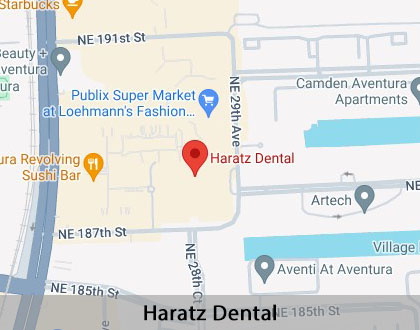
 Scan here to view this page, Pre-Prosthetic Surgery, on mobile
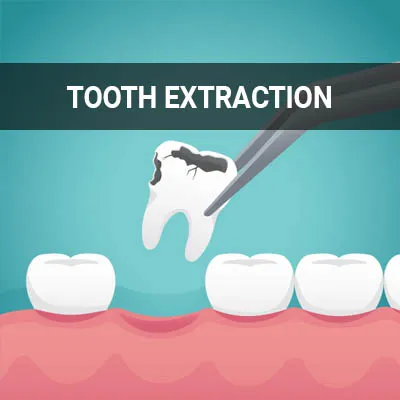
Oral Surgery Terminology
Begin Your Journey Toward a Restored Smile
Don’t let dental challenges hold you back from the smile you deserve. If you’ve been told you need dentures or implants, schedule a comprehensive evaluation at Haratz Dental. We’ll assess your situation, explain your options clearly, and create a treatment plan tailored to your needs. Contact us today to begin your journey toward a restored, confident smile. Call us at 786-433-5232.Helpful Related Links
- National Library of Medicine. Bone Grafting in Dental Implants. 2024
- American Dental Association (ADA). Glossary of Dental Clinical Terms. 2024
- American Academy of Cosmetic Dentistry (AACD). Home Page. 2024
- WebMD. WebMD’s Oral Care Guide. 2024
About our business, license, and website security
- Haratz Dental was established in 2014.
- We accept the following payment methods: American Express, Cash, Check, Discover, MasterCard, and Visa
- We serve patients from the following counties: Miami-Dade County and Broward County
- We serve patients from the following cities: Aventura, Golden Beach, Hollywood, Miami Beach, Hallandale Beach, North Miami Beach, North Miami, Highland Lake, Skylake, Sunny Isles Beach, Bal Harbor, Surfside, and Dania Beach
- FL (License #DN19551). View License Information and Specifics
- National Provider Identifier Database (1316187784). View NPI Registry Information
- Healthgrades. View Background Information and Reviews
- Norton Safe Web. View Details
- Trend Micro Site Safety Center. View Details

Related Posts
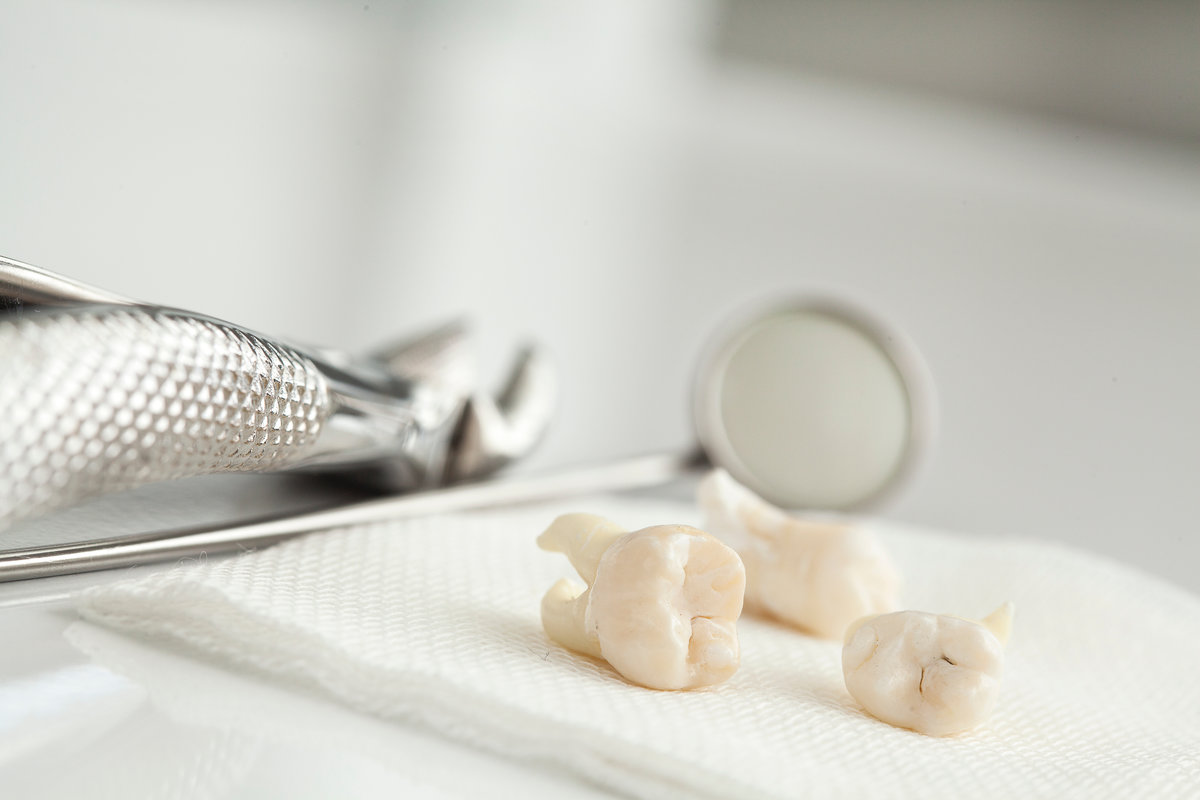
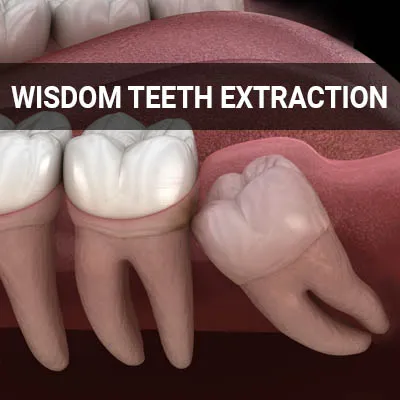
What Should I Expect During Wisdom Tooth Removal At Haratz Dental?
Few dental procedures carry as much anticipation as wisdom tooth removal. Whether a dentist has flagged the need during a routine exam or discomfort in the back of the mouth has finally made the decision unavoidable, most patients arrive at their consultation with the same question on their minds: what is this actually going to…
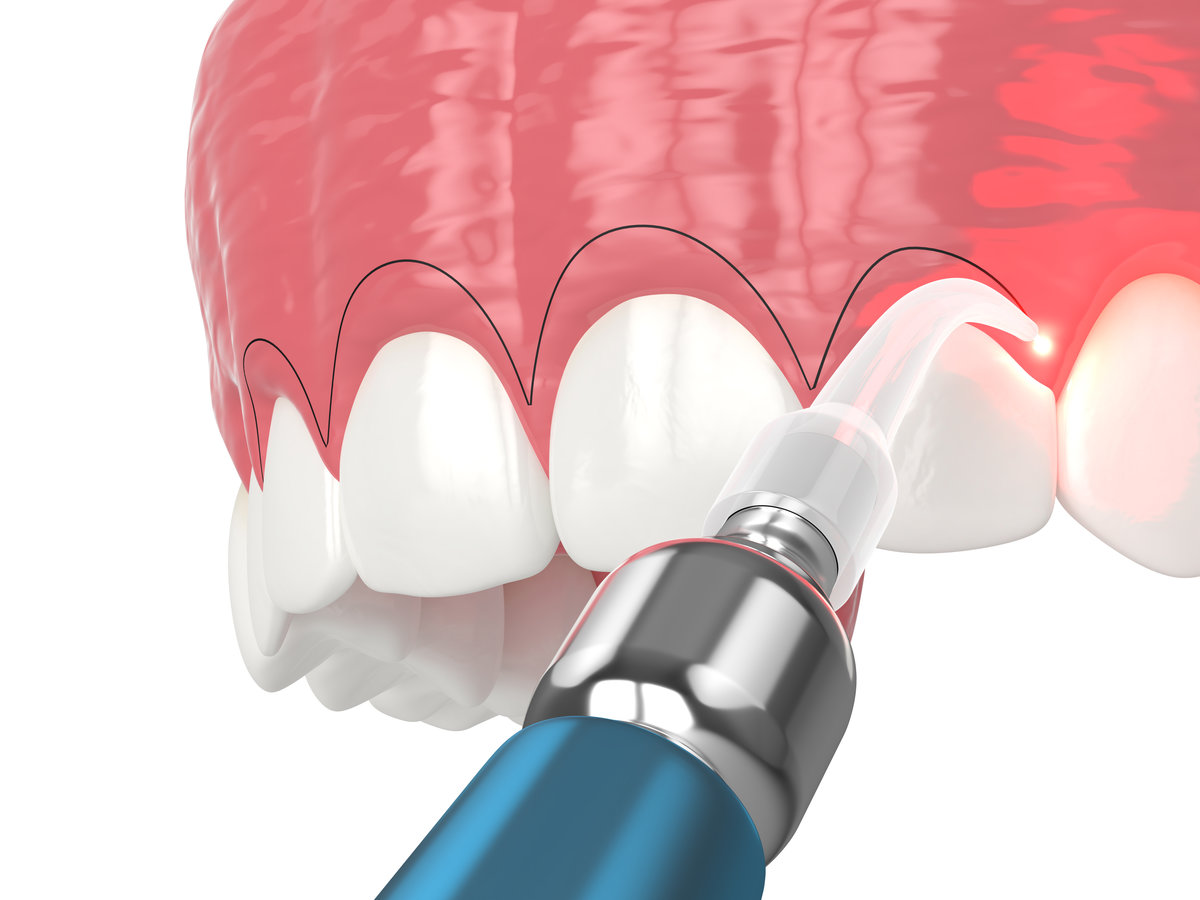
Can Teeth Contouring Fix Minor Imperfections Without Veneers?
You look in the mirror and notice one tooth that sits slightly longer than the rest, or a chipped edge that catches your eye every time you smile. These small imperfections can feel larger than they are, quietly shaping how confident you feel showing off your teeth. For patients who want results without the time,…
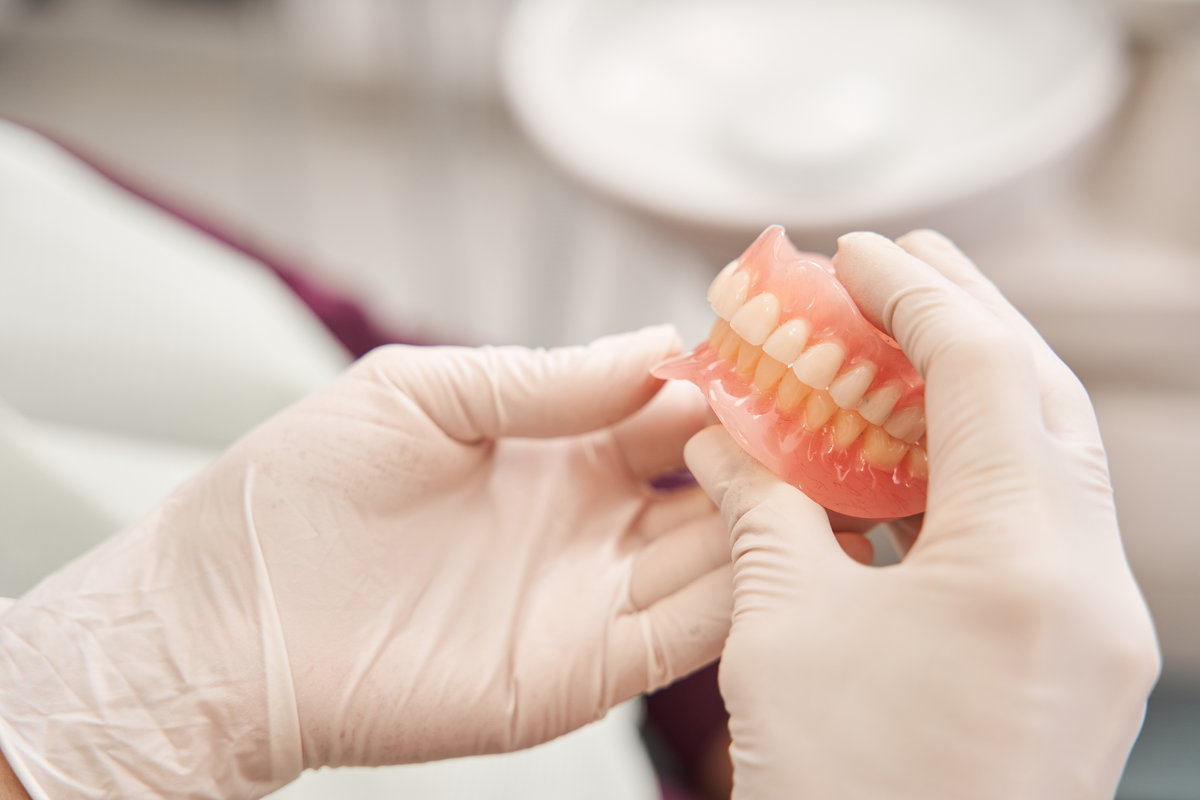
Is Pre-Prosthetic Surgery Necessary Before Getting Dentures?
For many patients, the decision to get dentures feels like a finish line after the long journey of tooth loss. What they do not always expect is that there may be one more step before that restoration can actually be placed. Pre-prosthetic surgery is a term patients frequently encounter once they begin the consultation process,…
What Are Dental Lumineers?
If you've been dreaming of a brighter, more even smile but feel hesitant about removing tooth enamel, you're not alone. Many people want cosmetic improvements without anything too permanent or invasive. That's exactly where Lumineers come in. These ultra-thin porcelain shells offer a way to transform your smile with minimal preparation, making them one of…
Explore additional topics covered on our website:
Call Us Today
 Scan here to call Haratz Dental on mobile