
Oral Pathology Sunny Isles Beach, FL
Your mouth reveals more than just the condition of your teeth and gums. Unusual tissue changes, persistent sores, or unexplained discolorations often signal underlying health concerns that require immediate attention. Oral pathology focuses on diagnosing and treating diseases affecting the mouth, jaw, and surrounding facial structures, playing a critical role in maintaining both your oral and overall health.
Our team at Haratz Dental provides comprehensive oral surgery services that include detailed oral pathology examinations to identify abnormalities early when treatment is most effective.
Understanding Oral Pathology
Oral pathology encompasses the study, diagnosis, and treatment of diseases affecting the oral and maxillofacial regions. This field addresses a wide range of conditions, from benign growths and cysts to precancerous lesions and oral cancer. Early detection through routine examinations can mean the difference between simple treatment and complex intervention. Many oral pathologies present subtle symptoms that patients might overlook or attribute to other causes. A persistent white or red patch, a sore that doesn’t heal within two weeks, or a lump in your mouth or neck warrants professional evaluation. These signs don’t always indicate serious disease, but they require professional assessment to rule out concerning conditions.“Early detection can mean the difference between simple treatment and complex intervention.”
Common Oral Pathological Conditions
Several pathological conditions commonly affect the oral cavity. Leukoplakia appears as white patches on the tongue, gums, or inside of the cheeks. While often benign, some cases can develop into oral cancer, making monitoring essential. Erythroplakia presents as red patches and carries a higher risk of malignancy than leukoplakia. Oral lichen planus creates a lacy white pattern on the mucous membranes, sometimes accompanied by painful sores. This chronic inflammatory condition requires ongoing management. Mucoceles develop when saliva ducts become blocked, creating fluid-filled swellings that typically appear on the lower lip or floor of the mouth. Fibromas are benign growths of connective tissue, often resulting from chronic irritation. Oral candidiasis, a fungal infection, manifests as creamy white lesions that can be wiped away, leaving red tissue underneath.“Erythroplakia carries a higher risk of malignancy than leukoplakia.”
The Oral Pathology Examination Process
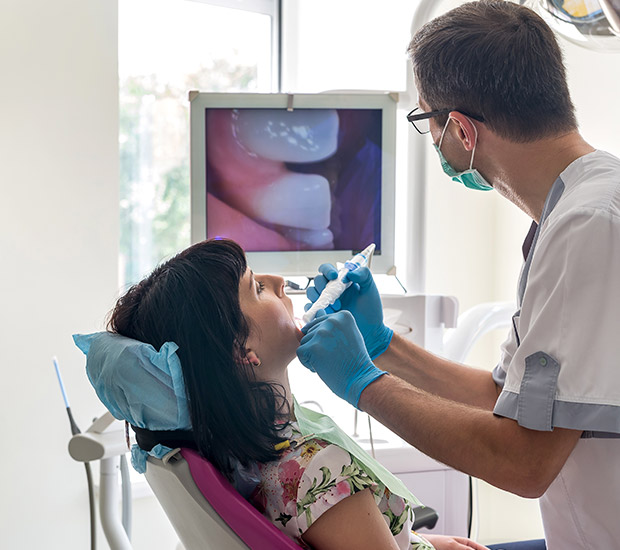
When you visit our practice for an oral pathology evaluation, Dr. Rand conducts a thorough visual and tactile examination of your entire mouth. This includes your lips, tongue, gums, roof and floor of your mouth, and the inside of your cheeks. He also palpates your jaw and neck to check for lumps or abnormalities. If we identify suspicious tissue, we may recommend a biopsy. This procedure involves removing a small tissue sample for microscopic examination by a pathologist. We perform biopsies using local anesthesia in our dental office, making the process as comfortable as possible. The pathologist’s analysis provides definitive information about the nature of the tissue, guiding our treatment recommendations. Digital imaging technology, including intraoral cameras, allows us to document and monitor any areas of concern over time. These images help us track changes and provide you with visual understanding of your condition.“Digital imaging allows us to document and monitor areas of concern over time.”
Check out what others are saying about our dental services on Yelp: Haratz Dental in Aventura, FL
Risk Factors and Prevention
Several factors increase your risk of developing oral pathological conditions. Tobacco use, whether smoking or smokeless, significantly elevates your risk for oral cancer and precancerous lesions. Heavy alcohol consumption compounds this risk, particularly when combined with tobacco use. Sun exposure to your lips increases the risk of lip cancer. Human papillomavirus (HPV) infection has emerged as a significant risk factor for oropharyngeal cancers. A weakened immune system, whether from disease or medication, can make you more susceptible to oral infections and abnormal tissue changes. Prevention begins with eliminating risk factors when possible. If you use tobacco products, we encourage you to seek cessation support. Limiting alcohol intake, using lip protection with SPF, and maintaining good oral hygiene all contribute to lower risk. Regular dental checkups enable early detection when conditions are most treatable.“Tobacco use significantly elevates your risk for oral cancer and precancerous lesions.”
Treatment Approaches
Treatment for oral pathological conditions varies based on the diagnosis. Benign lesions may require simple monitoring or surgical removal if they cause discomfort or functional problems. Precancerous conditions often necessitate removal along with careful follow-up to monitor for recurrence. For oral cancer, treatment planning depends on the stage and location of the disease. Options may include surgical excision, radiation therapy, chemotherapy, or combination approaches. Dr. Rand coordinates with oncologists and other specialists to ensure you receive comprehensive care tailored to your specific situation. Following treatment, regular surveillance appointments become crucial. These visits allow us to monitor healing and detect any signs of recurrence early. Many patients require ongoing monitoring for years after treatment to ensure continued health.“Dr. Rand coordinates with oncologists to ensure comprehensive care.”
Questions Answered on This Page
Q. What are common oral pathological conditions?
Q. What is the oral pathology examination process?
Q. What are risk factors and how can I prevent oral pathology conditions?
Q. What treatment approaches are available?
People Also Ask
Q. What does the dentist look for in a dental examination?
Q. Why is preventative care important? How can it save you money?
Frequently Asked Questions
Q. What is leukoplakia?
A.Leukoplakia appears as white patches on the tongue, gums, or inside of the cheeks. While often benign, some cases can develop into oral cancer, making monitoring essential. Any white patches that persist should be evaluated by a dental professional.
Q. When should I be concerned about a mouth sore?
A.A sore that doesn't heal within two weeks warrants professional evaluation. Persistent white or red patches, lumps in your mouth or neck, or any unusual tissue changes should be assessed to rule out concerning conditions.
Q. What happens during an oral pathology biopsy?
A.We perform biopsies using local anesthesia in our dental office, making the process comfortable. A small tissue sample is removed for microscopic examination by a pathologist. The pathologist's analysis provides definitive information about the nature of the tissue, guiding our treatment recommendations.
Q. What are the risk factors for oral cancer?
A.Tobacco use (smoking or smokeless) significantly elevates risk, as does heavy alcohol consumption. Sun exposure to your lips, HPV infection, and a weakened immune system also increase risk. Combining tobacco and alcohol compounds the risk considerably.
Q. How is oral cancer treated?
A.Treatment planning depends on the stage and location of the disease. Options may include surgical excision, radiation therapy, chemotherapy, or combination approaches. Dr. Rand coordinates with oncologists and other specialists to ensure you receive comprehensive care tailored to your specific situation.
Q. What is the difference between leukoplakia and erythroplakia?
A.Leukoplakia appears as white patches, while erythroplakia presents as red patches. Erythroplakia carries a higher risk of malignancy than leukoplakia. Both conditions require professional evaluation and monitoring.
Schedule Your Oral Pathology Evaluation at Haratz Dental
Your oral health deserves the same attention as your overall health. Regular screenings and prompt evaluation of any concerns help protect you from serious complications. Dr. Adela Haratz, Dr. Rand, and Dr. Michael Maya work together to provide comprehensive care in our state-of-the-art facility.
We understand that discovering an oral abnormality can feel overwhelming. Our team approaches every patient with compassion and clear communication, explaining your condition and treatment options in language you can understand. We also offer Spanish and Hebrew language services to ensure you feel completely comfortable throughout your care.
 Scan here to view this page, Oral Pathology, on mobile
Dental Terminology
Take the First Step Toward Peace of Mind
Contact us online today to schedule your oral pathology evaluation and take the first step toward peace of mind about your oral health. Call us today at 786-433-5232.Helpful Related Links
- American Dental Association (ADA). Glossary of Dental Clinical Terms. 2024
- American Academy of Cosmetic Dentistry (AACD). Home Page. 2024
- WebMD. WebMD’s Oral Care Guide. 2024
About our business, license, and website security
- Haratz Dental was established in 2014.
- We accept the following payment methods: American Express, Cash, Check, Discover, MasterCard, and Visa
- We serve patients from the following counties: Miami-Dade County and Broward County
- We serve patients from the following cities: Aventura, Golden Beach, Hollywood, Miami Beach, Hallandale Beach, North Miami Beach, North Miami, Highland Lake, Skylake, Sunny Isles Beach, Bal Harbor, Surfside, and Dania Beach
- FL (License #DN19551). View License Information and Specifics
- National Provider Identifier Database (1316187784). View NPI Registry Information
- Healthgrades. View Background Information and Reviews
- Norton Safe Web. View Details
- Trend Micro Site Safety Center. View Details

Related Posts
Signs You're A Good Candidate For A Smile Makeover
There is a moment many people can name exactly: the photo where they looked away from the camera, the gathering where they kept their lips pressed together, or the conversation where they caught themselves covering their mouth mid-laugh. A smile that does not reflect the way you feel on the inside can quietly shape the…
Immediate Dentures Vs. Waiting For Healing: Pros And Cons
Facing tooth extractions can be overwhelming, and one of the first decisions you will need to make is whether to get dentures placed right away or wait for your mouth to heal first. Both approaches come with distinct benefits and trade-offs, and the right choice depends entirely on your health, your lifestyle, and your priorities.…
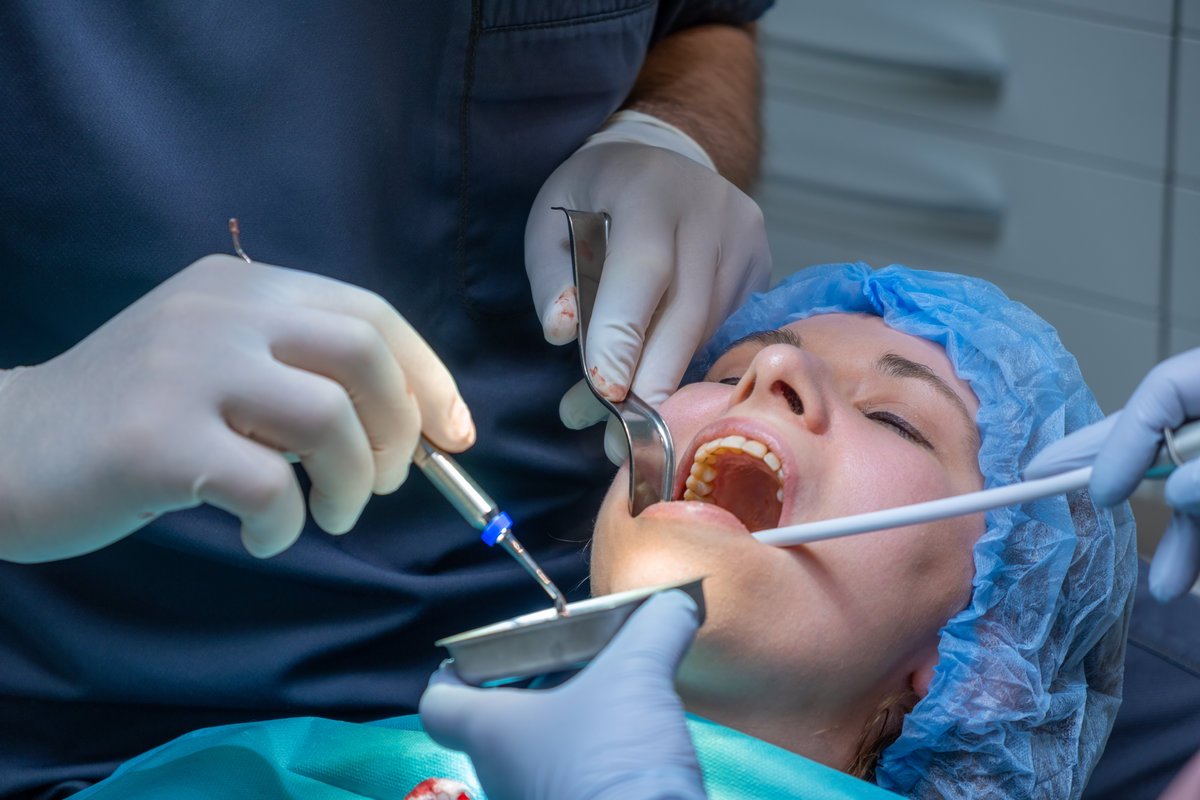
Bone Grafting Before Implants: Why It's Sometimes Necessary
When a tooth is lost, the bone beneath it begins to disappear quietly, and most people have no idea it's happening until they sit down with a dentist to discuss replacing that tooth. Without the root to stimulate and support it, the surrounding bone shrinks over time in a process called resorption. For patients hoping…
Explore additional topics covered on our website:
Call Us Today
 Scan here to call Haratz Dental on mobile