
Health Care Savings Account in Aventura, FL

Make the most of your Health Care Savings Account. Backed by over 40 years of experience, we help you maximize your benefits and use your funds wisely for the dental care you need.

Opening a health care savings account can help people cover their out-of-pocket costs. People can use these unique, tax-advantaged accounts to pay for current or future healthcare expenses for you, your spouse, and your dependents. When combined with a high-deductible healthcare plan, people can receive tax advantages to save money in the long-run.

If you are looking to save money while taking care of your oral health, a health care savings account, HSA, can help. Our team at Haratz Dental can help you learn more about HSAs and other dental insurance options available to you.

People, women and doctor with clipboard for document or insurance compliance and consultation in clinic. Female patient, healthcare and dentist with paperwork results for oral exam and conversation.

Understanding
Health Care Savings Accounts

A health savings account (HSA) is a savings account that lets people set aside money on a pre-tax basis to pay for qualified medical expenses. An HSA is complementary to a health care plan that has a high deductible. People can save money in an HSA before taxes and use the funds to pay for eligible health care expenses, including expenses the health plan does not cover. For example, people can use their HSA savings to cover health care costs until reaching the plan's deductible.

People can use their HSA funds to pay the copayment until reaching the out-of-pocket limit. Taxes do not apply to the money put into an HSA. Patients can invest a portion of the money in an HSA if maintaining a balance of $1,000 or more. For this reason, many people use part of their HSA to save for retirement.

"A health savings account (HSA) is a savings account that lets people set aside money on a pre-tax basis to pay for qualified medical expenses."
Meet Our Doctors

Our philosophy is simple: treat every patient with care, knowledge, and love. We’re here to build a long-term relationship with you and your family.
Trust
Knowledge
Long-Term Care
Family Feel

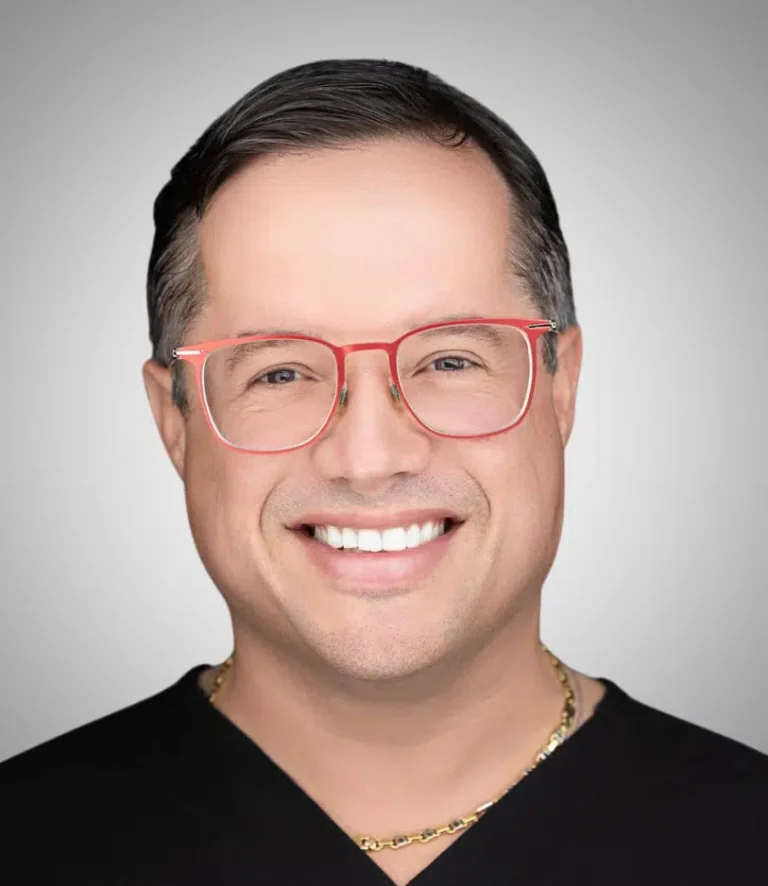
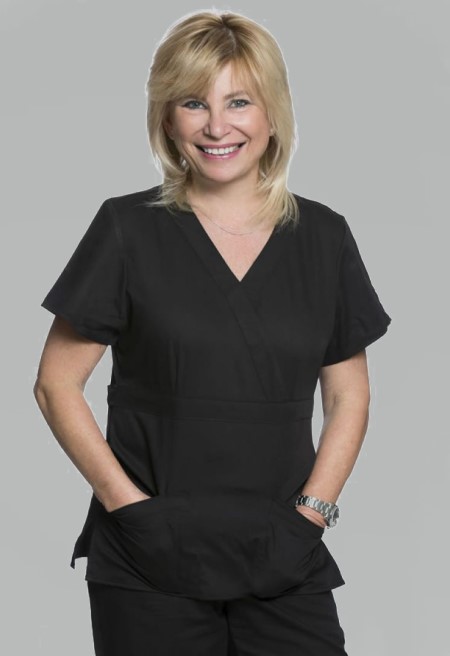
Dr. Adela Haratz

Over 40 years creating beautiful smiles. A pioneering aesthetic and scientific authority in dental artistry.

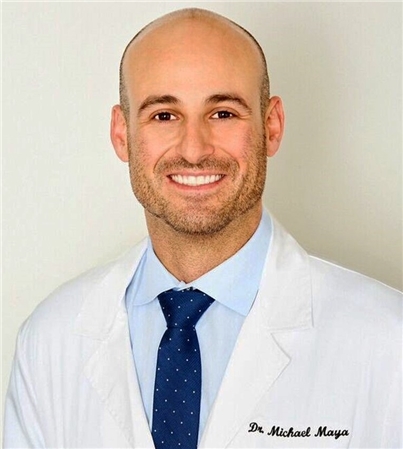
Dr. Michael Mya

A North Miami Beach native dedicated to providing excellent dental care to his community.

Dr. Matthew Rand

“My passion is creating bright new smiles for patients of all ages.”
We speak your language: English, Spanish & Hebrew

HSA
Pros and Cons

HSAs offer several benefits. People can withdraw money to pay for procedures, deductibles, copayments, or other medical expenses. Any money left in the account at the end of the year will roll over into the next year. Even if a person's health care coverage changes due to a change in jobs, as long as they continue with a high-deductible plan, funds in the account continue to grow, tax-free. If a person changes jobs, they can enroll in a new healthcare plan and maintain access to their existing HSA, even if the new healthcare plan does not qualify. Additionally, most people can use a debit card or checks to access their funds easily.

HSAs also have some disadvantages that people should consider. One of the biggest downsides to an HSA involves the requirement to have a health insurance plan with a high deductible. Although this coverage offers lower premiums, high deductibles often become hard to come up with if facing a significant medical issue. With increasing costs of health care premiums and deductibles, it may be challenging to add more money to one's health savings account. Some people with high deductibles hesitate to see the doctor to seek treatment due to the high costs. They may feel as if they must keep the money in their HSA to save for retirement thus putting off important medical care.

"If a person changes jobs, they can enroll in a new healthcare plan and maintain access to their existing HSA, even if the new healthcare plan does not qualify."

Financial
Benefits of an HSA

An HSA not only helps save on health care expenses but comes with tax advantages. One advantage is that people do not have to pay taxes on contributions to their HSA. If a person adds money to their HSA through their employer, the funds are taken before taxes, lowering taxable income. People who add money to their accounts personally will have deductions from their gross income when filing income taxes at the end of the year.

Anything earned on the investment of funds also remains tax-free. If using the withdrawals to pay for qualified medical expenses, no taxes and penalty fees apply. Funds withdrawn for medical expenses are not taxed. At age 65, HSA funds are available for use without penalty. After this age, people can use their HSA savings as retirement money and withdraw funds from an HSA without incurring tax penalties, even if used for non-medical expenses. However, the money would still be subject to income tax.

"An HSA not only helps save on health care expenses but comes with tax advantages."

Finding Out if HSA
Covers a Treatment

People with HSA accounts may be wondering what types of dental services are covered. With an HSA, there is a big difference between services that diagnose, treat, and prevent. People should contact their provider for more information on covered dental treatments.

Some procedures may have a copayment, so it is also important to check with dental insurance providers to determine the out-of-pocket costs. Not all HSAs cover the same things. People with questions about coverage should contact their employer's benefits department, their HSA provider, or the third-party payer of their health plan.

"People with questions about coverage should contact their employer's benefits department, their HSA provider, or the third-party payer of their health plan."

Treatments
Covered by an HSA

Dental services and HSA eligibility can vary; however, some common and necessary dental procedures are eligible. HSAs cover treatments that diagnose, treat, mitigate, cure, and prevent disease. HSAs cover most dental treatments deemed medically necessary, such as:

  • Regular cleanings and routine visits
  • Fillings
  • Root canals
  • Extractions
  • Crowns
  • Dentures and bonding

Even with an HSA, there may be a copayment for the patient. HSAs do not cover cosmetic dental treatments such as teeth whitening or regular dental expenses, such as toothpaste, toothbrushes, dental floss, and mouthwash.

"HSAs cover treatments that diagnose, treat, mitigate, cure, and prevent disease."

Insurance & Financing Options

We accept most PPO insurance plans including Delta, Aetna, Cigna, Guardian, MetLife, Humana, and UnitedHealthcare. Flexible financing through CareCredit and Cherry, plus our in-house membership plan.
Delta Dental
Aetna
Cigna
MetLife
Humana
CareCredit

Quality Dental Services Can
Transform Your Smile

By visiting us as soon as possible, our team can help get you the professional treatment you need. Instead of waiting around and allowing the symptoms to get worse, we can provide you with treatment options.

HSA FAQ
Dental Financing

HSA FAQ

Common questions about Health Savings Accounts and dental care at Haratz Dental

popup-image

Straighten Your Smile With Invisalign

For a limited time, Haratz Dental is offering $1,000 off Invisalign treatment. Individuals who start together save even more — each person receives an additional $250 off when two patients begin treatment at the same time.

New to Haratz Dental?

Take advantage of our $79 New Patient Special and experience the quality, compassionate care our Aventura patients love.