Bone Grafting Sunny Isles Beach, FL
Bone grafting is a surgical procedure we perform to rebuild or strengthen the jawbone before dental implant placement. When you lose a tooth, the surrounding bone begins to deteriorate rapidly. In fact, you can lose up to 25% of bone volume within just three months of tooth loss. Bone grafting restores this lost structure, creating a stable foundation for implants and protecting your facial structure.
At our Sunny Isles Beach practice, we provide advanced bone grafting procedures to help you achieve lasting oral health. Whether you've experienced tooth loss from injury, infection, or periodontal disease, bone grafting may be the solution you need before receiving dental implants. Call us at (786) 433-5232 to schedule an appointment.
Understanding Bone Loss and Its Impact
Your jawbone needs stimulation from tooth roots to maintain its density and volume. When teeth are missing, this stimulation disappears. The bone gradually shrinks away, changing your facial appearance and making it difficult to place implants later.
Several factors contribute to bone loss in the jaw. Periodontal disease destroys the bone supporting your teeth. Trauma from accidents or sports injuries can damage bone tissue. Long-term denture wear applies pressure that accelerates deterioration. Some patients also experience bone loss from infections or cysts in the jaw.
The effects extend beyond oral health. As bone recedes, your face can develop a sunken appearance. Your remaining teeth may shift position. Chewing becomes more difficult, and you might experience jaw pain or TMJ problems.
“Your jawbone needs stimulation from tooth roots to maintain its density and volume.”
Types of Bone Grafting Procedures
We offer several bone grafting techniques depending on your specific needs. Socket preservation grafts are placed immediately after tooth extraction to prevent bone loss. This procedure gives you the best chance of maintaining sufficient bone for future implant placement.
Ridge augmentation rebuilds the width and height of your jawbone. This becomes necessary when you've experienced significant bone loss over time. The procedure creates adequate space and support for dental implant restoration.
Sinus lift procedures address bone loss in the upper back jaw. We carefully lift the sinus membrane and place bone graft material underneath, creating enough height for implants in this challenging area.
Block bone grafts use larger sections of bone material when you need substantial reconstruction. Dr. Rand performs these more complex procedures when other grafting methods won't provide sufficient support.
“Socket preservation grafts give you the best chance of maintaining sufficient bone.”
The Bone Grafting Process
Your bone grafting journey begins with a comprehensive evaluation. We use advanced imaging to assess your bone density and determine the best grafting approach for your situation. Dr. Rand will explain which type of bone graft material will work best for you.
During the procedure, we ensure your complete comfort with appropriate anesthesia options. Dr. Rand carefully places the bone graft material into the targeted area. The graft serves as a scaffold, encouraging your natural bone to grow and integrate with the grafted material.
Healing takes several months as your body builds new bone tissue. We monitor your progress through follow-up appointments and imaging. Once the graft has fully integrated, usually after four to six months, you'll be ready for implant placement.
“The graft serves as a scaffold, encouraging your natural bone to grow.”
Check out what others are saying about our dental services on Yelp: Haratz Dental in Aventura, FL
Bone Graft Materials and Options
Different bone graft materials offer distinct advantages.
Autografts
Autografts use your own bone, typically harvested from your jaw, hip, or tibia. This option provides the most predictable results because your body readily accepts its own tissue.
Allografts
Allografts come from human tissue banks and eliminate the need for a secondary surgical site. The material is thoroughly processed and sterilized before use. Many patients prefer this option because it avoids the discomfort of harvesting their own bone.
Xenografts
Xenografts use bone material from other species, usually bovine sources. These grafts are processed to remove organic components while maintaining the mineral structure your bone needs to regenerate.
Synthetic Grafts
Synthetic bone grafts offer an alternative for patients who prefer laboratory-created materials. These biocompatible substances promote bone growth without using tissue from any source.
“Autografts provide the most predictable results because your body readily accepts its own tissue.”
Recovery and Aftercare
Recovery from bone grafting requires patience and proper care. You'll experience some swelling and discomfort for the first few days. We provide detailed instructions for managing pain and reducing inflammation.
Avoid disturbing the graft site during healing. Eat soft foods for the first week and gradually reintroduce firmer textures as healing progresses. Don't use straws, as the suction can disrupt the graft. Maintain gentle oral hygiene around the surgical site.
Most patients return to normal activities within a week. However, the complete integration process takes months. We schedule regular checkups to ensure your graft is healing properly and developing the bone density needed for successful implant placement.
“Most patients return to normal activities within a week.”
Success Rates and Long-Term Outcomes
Bone grafting has become highly predictable through advances in materials and techniques. When performed correctly, the procedure creates a strong foundation for dental implants, which themselves have a success rate of 95%.
Your commitment to aftercare significantly influences outcomes. Following post-operative instructions, maintaining excellent oral hygiene, and attending all follow-up appointments maximize your chances of success. Smoking can compromise healing, so we strongly encourage patients to quit before undergoing the procedure.
The investment in bone grafting pays dividends for years. You'll have the stable bone structure needed for long-lasting dental implants. Your facial structure remains supported, preventing the aged appearance that often accompanies tooth loss.
“The investment in bone grafting pays dividends for years.”
Questions Answered on This Page
Q. What is bone loss and its impact?
Q. What are the types of bone grafting procedures?
Q. What is the bone grafting process?
Q. What bone graft materials and options are available?
Q. What should I expect for recovery and aftercare?
Q. What are success rates and long-term outcomes?
People Also Ask
Q. What are the benefits of getting a gum contouring procedure?
Q. How can I treat gum disease?
Q. What lifestyle factors can trigger gum bleeding?
Frequently Asked Questions
Q. How quickly can bone loss occur after tooth extraction?
A. You can lose up to 25% of bone volume within just three months of tooth loss. The bone continues to deteriorate over time without the stimulation from tooth roots, which is why socket preservation grafts placed immediately after extraction are so beneficial.
Q. What is the difference between the types of bone graft materials?
A. Autografts use your own bone, allografts come from human tissue banks, xenografts use bone from other species (usually bovine), and synthetic grafts are laboratory-created materials. Each offers distinct advantages, and Dr. Rand will explain which works best for your situation.
Q. How long does it take for a bone graft to heal?
A. Healing takes several months as your body builds new bone tissue. Once the graft has fully integrated, usually after four to six months, you'll be ready for implant placement. Most patients return to normal activities within a week, though complete integration takes longer.
Q. What is a sinus lift procedure?
A. Sinus lift procedures address bone loss in the upper back jaw. We carefully lift the sinus membrane and place bone graft material underneath, creating enough height for implants in this challenging area where natural bone is often insufficient.
Q. Does smoking affect bone graft success?
A. Yes, smoking can compromise healing and reduce success rates. We strongly encourage patients to quit before undergoing the procedure. Your commitment to aftercare, including maintaining excellent oral hygiene and attending all follow-up appointments, significantly influences outcomes.
Q. What is Dr. Rand's training in bone grafting?
A. Dr. Rand completed his medical degree at the University of Michigan Medical School and trained in oral and maxillofacial surgery at the University of Michigan Hospital. His additional year of microvascular training gives him advanced skills in complex surgical procedures like bone grafting.
Why Choose Haratz Dental for Bone Grafting
Dr. Matthew Rand brings extensive training to every bone grafting procedure. He completed his medical degree at the University of Michigan Medical School and trained in oral and maxillofacial surgery at the University of Michigan Hospital. His additional year of microvascular training gives him advanced skills in complex surgical procedures.
Our Aventura practice serves patients throughout Sunny Isles Beach, Golden Beach, and surrounding communities. We combine surgical precision with genuine care for your comfort and well-being. Dr. Rand's philosophy of treating patients with knowledge and compassion extends to every aspect of your experience.
You'll also appreciate our multilingual capabilities. Our team speaks Spanish and Hebrew, ensuring clear communication throughout your treatment. This attention to cultural comfort sets us apart from other practices in the area.

Scan here to view this page, Bone Grafting, on mobile
Dental Terminology
Taking the Next Step
If you're considering dental implants but worry about bone loss, bone grafting may open new possibilities for your smile. The procedure has helped millions of Americans, including approximately 178 million who are missing at least one tooth.
Schedule a consultation to learn whether bone grafting is right for you. Dr. Rand will evaluate your oral health, discuss your goals, and create a personalized treatment plan. We'll answer all your questions and help you understand what to expect. Ready to restore your smile's foundation? Contact us online today. Call us at 786-433-5232.
Helpful Related Links
- American Academy of Implant Dentistry. Bone Loss After Tooth Extraction. 2024
- National Library of Medicine. Dental Implant Success Rates. 2024
- American College of Prosthodontists. Missing Teeth Statistics. 2024
- American Dental Association (ADA). Glossary of Dental Clinical Terms. 2024
- American Academy of Cosmetic Dentistry (AACD). Home Page. 2024
- WebMD. WebMD’s Oral Care Guide. 2024
About our business, license, and website security
- Haratz Dental was established in 2014.
- We accept the following payment methods: American Express, Cash, Check, Discover, MasterCard, and Visa
- We serve patients from the following counties: Miami-Dade County and Broward County
- We serve patients from the following cities: Aventura, Golden Beach, Hollywood, Miami Beach, Hallandale Beach, North Miami Beach, North Miami, Highland Lake, Skylake, Sunny Isles Beach, Bal Harbor, Surfside, and Dania Beach
- FL (License #DN19551). View License Information and Specifics
- National Provider Identifier Database (1316187784). View NPI Registry Information
- Healthgrades. View Background Information and Reviews
- Norton Safe Web. View Details
- Trend Micro Site Safety Center. View Details

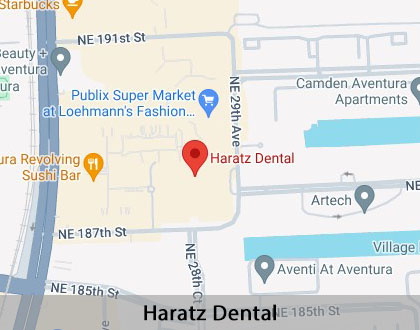
Scan here to open directions to Haratz Dental on mobile
Back to top of Bone Grafting
Related Posts
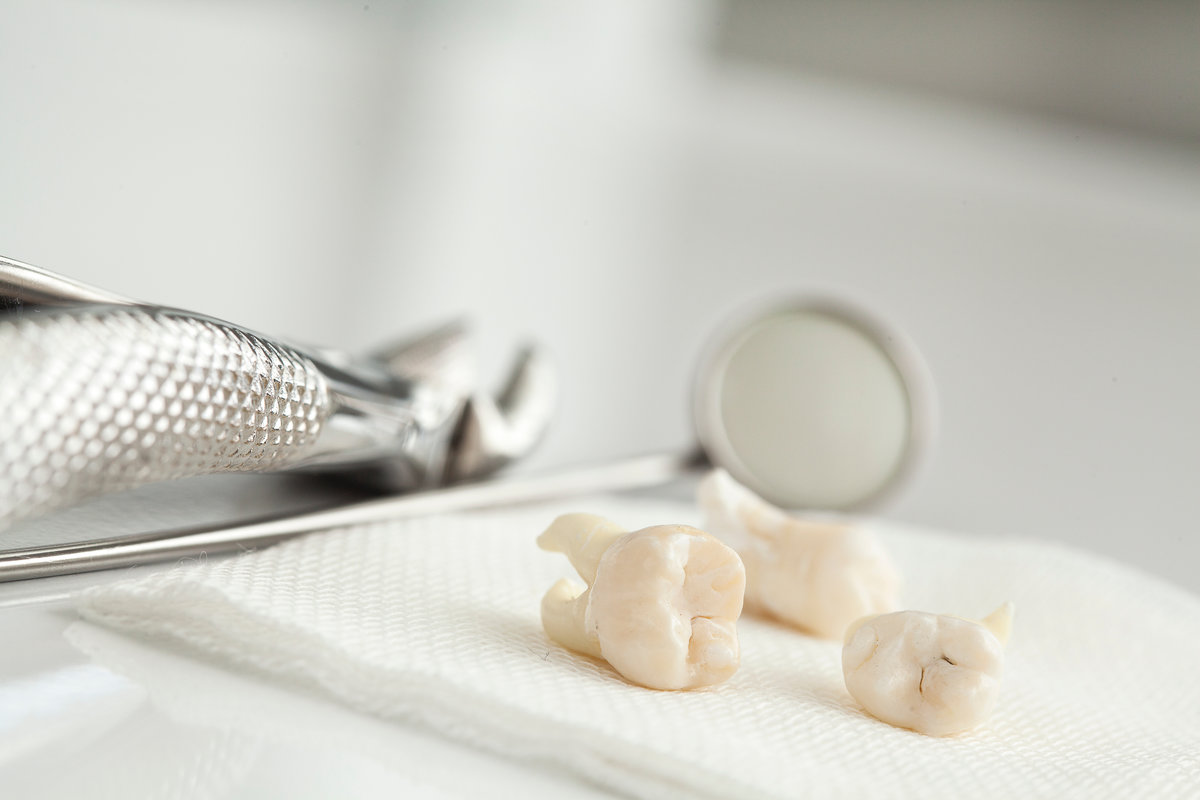
What Should I Expect During Wisdom Tooth Removal At Haratz Dental?
Few dental procedures carry as much anticipation as wisdom tooth removal. Whether a dentist has flagged the need during a routine exam or discomfort in the back of the mouth has finally made the decision unavoidable, most patients arrive at their consultation with the same question on their minds: what is this actually going to…
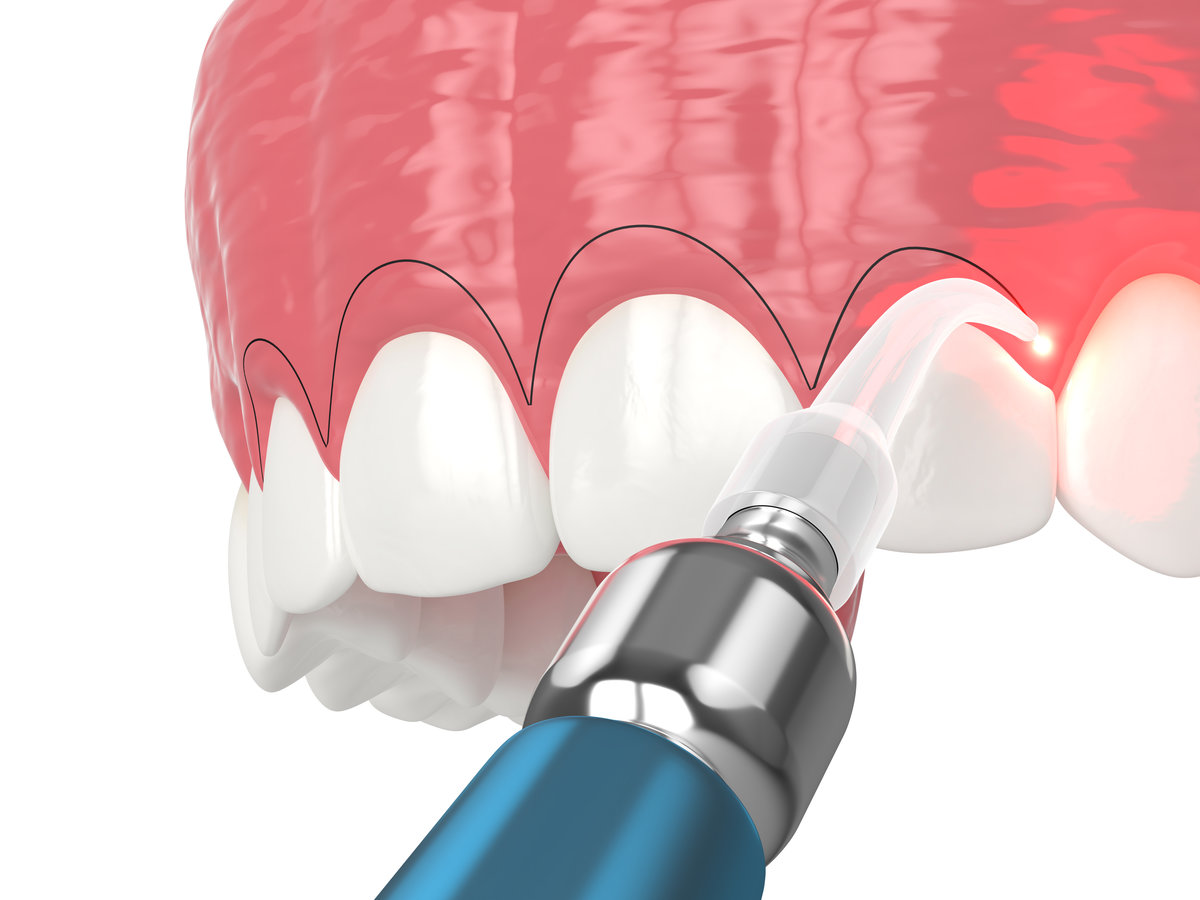
Can Teeth Contouring Fix Minor Imperfections Without Veneers?
You look in the mirror and notice one tooth that sits slightly longer than the rest, or a chipped edge that catches your eye every time you smile. These small imperfections can feel larger than they are, quietly shaping how confident you feel showing off your teeth. For patients who want results without the time,…
Is Pre-Prosthetic Surgery Necessary Before Getting Dentures?
For many patients, the decision to get dentures feels like a finish line after the long journey of tooth loss. What they do not always expect is that there may be one more step before that restoration can actually be placed. Pre-prosthetic surgery is a term patients frequently encounter once they begin the consultation process,…
Explore additional topics covered on our website:
Call Us Today

Scan here to call Haratz Dental on mobile