How the Dentist Prepares Teeth for Dental Crowns
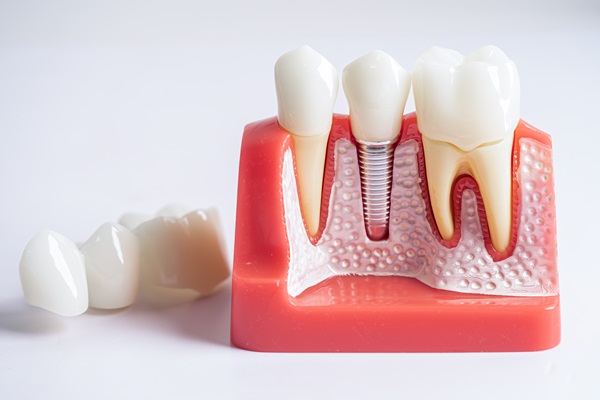
When teeth are severely decayed or damaged, dental crowns may be able to restore them so they do not have to be extracted. Dentists prefer to leave natural teeth in the mouth whenever possible. A crown is a cap placed over a damaged tooth, restoring its original function, appearance, and strength.
Placing a crown traditionally requires two visits. The tooth is prepared during the first visit, and the data needed to create the crown is sent to a dental laboratory. A temporary crown is placed to protect the tooth, and a second visit takes place within a week or two to cement the permanent crown in place once it is ready.
4 steps to prepare teeth for dental crowns
The following steps are usually involved in preparing a tooth for a dental crown. They may not always take place in the same order, and there may be some variations.
1. X-rays
At the first appointment, the dentist may take X-rays to check the tooth and its roots, as well as the bone that surrounds it, to be sure that it is healthy and stable enough to support the crown. However, if you have recently had dental X-rays taken, this step may not be necessary.
2. Numbing
The dentist uses a local agent to numb the area around the tooth receiving the crown. You should not feel anything during the procedure.
3. Impressions
The dentist takes impressions at two points during the preparation process. The preliminary impressions are made with a gel-like material called alginate and are used as a model to make your temporary crown. The final impression is made with a putty-like material called polyvinyl siloxane over the prepared tooth. This mold is used to make a permanent crown that fits exactly over the tooth and matches up with the teeth opposite.
Alternatively, many dentists are now using digital imaging technology to scan images of teeth to collect the data needed to make molds for dental crowns. Your dentist may take either one impression or none at all.
4. Reshaping
Reshaping is the most crucial step in preparing the tooth. To fit a crown, the outer structure of the tooth often has to be reduced in size by removing some of the enamel. If the tooth has been filled in the past, the filling material is removed as well. The dentist uses tools to remove precise amounts of the tooth. How much material needs to be removed depends on the type of crown. If it is all metal, less tooth material needs to be removed because all-metal crowns are thinner than other types.
Conversely, sometimes the tooth may be so damaged or decayed that a large area is missing. In this case, the dentist may have to use filling material to build up the tooth enough so that it can support the crown.
Caring for dental crowns
The materials used in dental crowns are highly durable and are designed to last for many years. However, it is important to take proper care of this type of dental work because damage and wear and tear can still occur. First and foremost, make oral hygiene a high priority. Brush twice a day with fluoride toothpaste and floss once a day. These practices will lower your risks of developing tooth decay and gum disease, which can affect the lifespan of a dental crown. See your dentist at least twice a year for routine cleanings and checkups to help control tartar buildup and detect any potential issues early on.
It is also important to monitor your dietary and lifestyle habits. Extremely tough or crunchy foods can damage a crown, especially if you consume them often. Chewing on foreign objects or grinding your teeth can also cause a crown to chip or crack, requiring a new one. While porcelain crowns are highly resistant to staining, they can become discolored if you smoke or consume a lot of coffee, tea, or red wine. In addition, excessive alcohol consumption can weaken the adhesive used to mount the crown in place. This is also true of mouthwashes that contain high concentrations of alcohol, so look for alcohol-free alternatives instead.
Conclusion
Temporary dental crowns are placed at the first visit after the teeth are prepared. Once a permanent crown comes back from the lab, the temporary crown is removed and the permanent one cemented in place to restore the patient's tooth. Dental crowns can last for many years with proper care.
Request an appointment here: https://www.haratzdental.com or call Haratz Dental at (786) 433-5232 for an appointment in our Aventura office.
Check out what others are saying about our dental services on Yelp: Dental Crowns in Aventura, FL.
Related Posts
Few dental procedures carry as much anticipation as wisdom tooth removal. Whether a dentist has flagged the need during a routine exam or discomfort in the back of the mouth has finally made the decision unavoidable, most patients arrive at their consultation with the same question on their minds: what is this actually going to…
You look in the mirror and notice one tooth that sits slightly longer than the rest, or a chipped edge that catches your eye every time you smile. These small imperfections can feel larger than they are, quietly shaping how confident you feel showing off your teeth. For patients who want results without the time,…
For many patients, the decision to get dentures feels like a finish line after the long journey of tooth loss. What they do not always expect is that there may be one more step before that restoration can actually be placed. Pre-prosthetic surgery is a term patients frequently encounter once they begin the consultation process,…
If you've been dreaming of a brighter, more even smile but feel hesitant about removing tooth enamel, you're not alone. Many people want cosmetic improvements without anything too permanent or invasive. That's exactly where Lumineers come in. These ultra-thin porcelain shells offer a way to transform your smile with minimal preparation, making them one of…